Signs And Symptoms Colorectal Cancer Recurrence / Stages Of Colon And Rectal Cancer : A feeling that your bowel doesn't empty completely.. The real message is, once you have colon cancer, 50% will recur and many will die. Half of people with colorectal cancer who get surgery will have a recurrence in the first 3. Sometimes symptoms are linked to certain cancer types. Colorectal cancer recurrence is a substantial concern for those who have undergone and completed treatment. Recurrent rectal cancer is cancer that has returned or progressed following initial treatment with surgery, radiation therapy and/or chemotherapy.
Other patterns of recurrence include adjacent mesenteric nodal disease, as well as masses that involve the abdominal wall or retroperitoneum. Colorectal cancer recurrence is a substantial concern for those who have undergone and completed treatment. In any clinical situation, there is frequently a single test that gives the physician the first hint of recurrent cancer. Blood in your stool or very dark stools. Symptoms many of the symptoms of recurrent colorectal cancer are the same or similar to the ones you had when you first had cancer.
Learnoncology from uploads-ssl.webflow.com Your doctor might suspect a cancer recurrence based on certain tests, or you might suspect a recurrence based on your signs and symptoms. Recurrence means the cancer has returned, either to the colon or rectum, or it has appeared in other tissues of the body. A cancer is classified as recurrent if it is detected after a patient has completed an initial course of treatment and a period of time (whether months or years) has passed during which the patient exhibited no signs of cancer. Your doctor can give you more information about your risk of having a recurrence. But signs can also be more general, including weight loss, tiredness (fatigue) or unexplained pain. Increased family risk of polyps and colon cancer; Headache, seizures, or dizziness, when cancer has spread to the brain. A recurrence occurs when the cancer comes back after treatment.
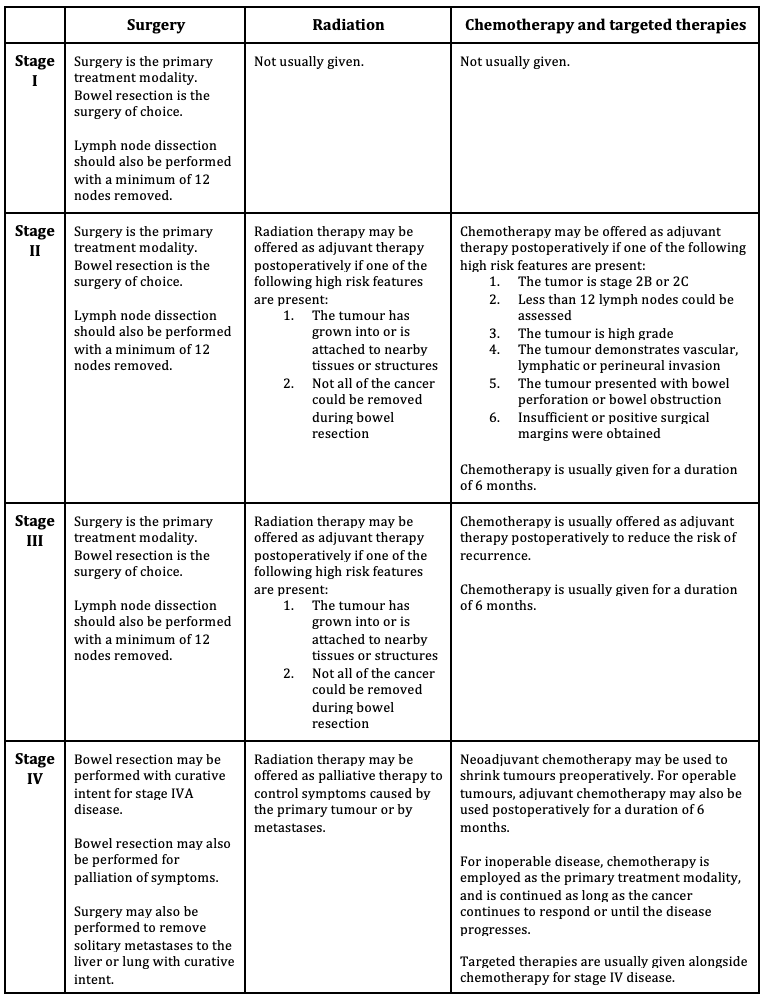
For easier classification and assessment of treatment and prognosis, we can.
The chance of recurrence depends on the type of primary cancer. Obstruction, perforation, and t4 lesions have been shown to be independently associated with local recurrence for colon cancer. Pelvic pain (sometimes with radiation to lower extremities), rectal bleeding and change in bowel habits. Shortness of breath, when cancer has spread to the lung. Cancer recurrences are diagnosed just like any other cancer. Our bodies change naturally over time. A variety of factors ultimately influence a patient's decision to receive treatment of cancer. A change in your bowel habits, such as more frequent stools, thinner stools, or a feeling that your bowels are not emptying completely. 1 fear of recurrence can negatively affect quality of life, and approximately 7% of patients develop severe and disabling. These include belly pain, constipation or diarrhea, and weight. The purpose of receiving cancer treatment may be to improve symptoms through local control of the. Blood in your stool or very dark stools. Blood in your stool or very dark stools.
Blood in your stool or very dark stools. We retrospectively reviewed 418 patients who had undergone curative resection for colon cancer (n = 246) or rectal cancer (n = 169). A change in bowel habits, such as diarrhea, constipation, or narrowing of the stool, that lasts for more than a few days The cancer comes back in the same place,. A change in your bowel habits, such as more frequent stools, thinner stools, or a feeling that your bowels are not emptying completely.
Colon Cancer Overview Symptoms Diagnosis Prevention Early Detection Cancerconnect from news.cancerconnect.com Pain and fractures, when cancer has spread to the bone. Sometimes symptoms are linked to certain cancer types. 1 fear of recurrence can negatively affect quality of life, and approximately 7% of patients develop severe and disabling. Other common gastrointestinal cancer symptoms include gas pain, changes in bowel/bladder habits, anemia and/or jaundice. A change in your bowel habits, such as more frequent stools, thinner stools, or a feeling that your bowels are not emptying completely. Some cancer cells make cea, so looking for it in the blood is one way to detect disease recurrence. The risk of recurrent colorectal cancer; Your doctor might suspect a cancer recurrence based on certain tests, or you might suspect a recurrence based on your signs and symptoms.
You don't need to try and remember all the signs and symptoms of cancer, but we have listed some key ones to give you an idea of the kind of things to be aware of.
It is impossible for your doctor to know for sure if the cancer will recur. The chance of recurrence depends on the type of primary cancer. The risk of developing new polyps; You don't need to try and remember all the signs and symptoms of cancer, but we have listed some key ones to give you an idea of the kind of things to be aware of. The signs and symptoms of cancer recurrence; Signs and symptoms of rectal cancer include: Rectal bleeding, either bright or dark red in color Jaundice or swelling in the belly, when cancer has spread to the liver. Other symptoms depend on which part of the body the cancer has spread to. 1 fear of recurrence can negatively affect quality of life, and approximately 7% of patients develop severe and disabling. Colorectal cancer signs and symptoms colorectal cancer might not cause symptoms right away, but if it does, it may cause one or more of these symptoms: A cancer is classified as recurrent if it is detected after a patient has completed an initial course of treatment and a period of time (whether months or years) has passed during which the patient exhibited no signs of cancer. Recurrence means the cancer has returned, either to the colon or rectum, or it has appeared in other tissues of the body.
Other patterns of recurrence include adjacent mesenteric nodal disease, as well as masses that involve the abdominal wall or retroperitoneum. You don't need to try and remember all the signs and symptoms of cancer, but we have listed some key ones to give you an idea of the kind of things to be aware of. Pain and fractures, when cancer has spread to the bone. Cancer recurrences are diagnosed just like any other cancer. The signs and symptoms of cancer recurrence;
Societal Guidelines For The Surveillance Of Colorectal Cancer Treated Download Table from www.researchgate.net Cancer recurrences are diagnosed just like any other cancer. Other common early warning signs of colorectal cancer include: The risk of developing new polyps; However, you should pay attention to. A person who survives colon cancer may experience a recurrence at some point in his or her life. Your doctor might suspect a cancer recurrence based on certain tests, or you might suspect a recurrence based on your signs and symptoms. Our bodies change naturally over time. Some signs to watch for include:
These include belly pain, constipation or diarrhea, and weight.
The real message is, once you have colon cancer, 50% will recur and many will die. A change in your bowel habits, such as more frequent stools, thinner stools, or a feeling that your bowels are not emptying completely. It's important to get checked if you have any of following problems. In fact, many of the symptoms of colorectal cancer can also be caused by other problems, such as infection, hemorrhoids, irritable bowel syndrome, or inflammatory bowel disease. Recurrence means the cancer has returned, either to the colon or rectum, or it has appeared in other tissues of the body. Advanced bowel cancer is cancer that started in either the back passage (rectum) or large bowel (colon) and has spread to another part of the body. It is impossible for your doctor to know for sure if the cancer will recur. Our bodies change naturally over time. Some common signs of metastatic cancer include: A cancer is classified as recurrent if it is detected after a patient has completed an initial course of treatment and a period of time (whether months or years) has passed during which the patient exhibited no signs of cancer. A change in bowel habits, such as diarrhea, constipation, or narrowing of the stool, that lasts for more than a few days The symptoms of advanced bowel cancer can include the symptoms for bowel cancer that hasn't spread. You may not have symptoms if your colon cancer comes back.